Article details:
5 steps to preventing your brand’s next great campaign idea from dying before its time

June 2022
- James Chutter, Digital Strategist
- Justin Renvoize, Creative Director
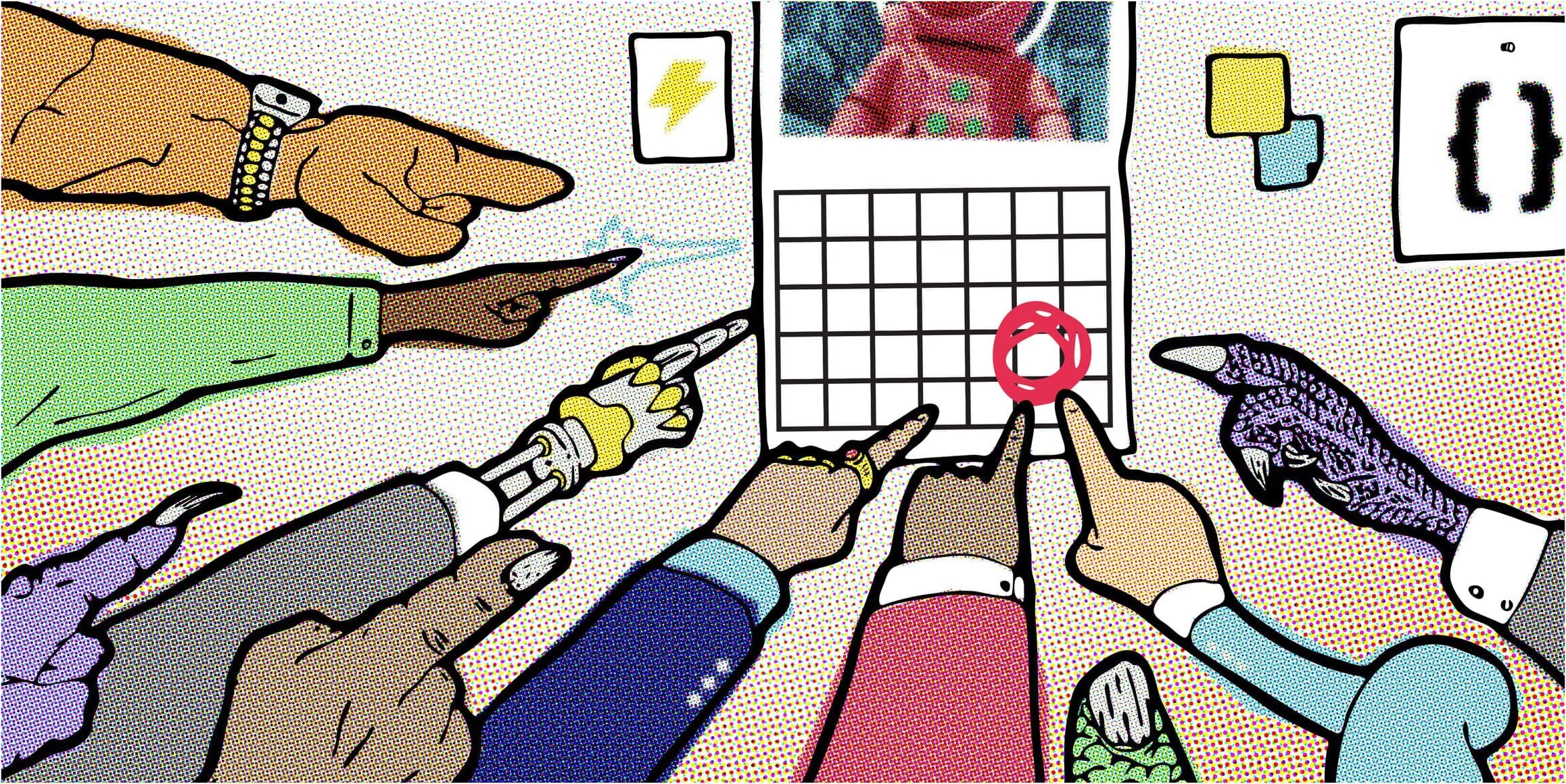
A moment of silence, please, for the creative ideas over the years that have died before their time. They could’ve gone somewhere, maybe as far as around the world to make a real difference for your brand. But instead, they met a quiet end midway through a meeting, never to be seen again.
And the real tragedy? So many promising ideas die not because they’re weak or prohibitively expensive. They never had a chance simply because they sounded like they required work.
This sounds like we’re joking, but we’ve seen it countless times. But all great ideas require work, and not just from your agency partner. Creative collaborations are stronger when all sides come together to pursue a common goal, and it doesn’t always come down to dedicating more assets or people to a campaign. It comes down to a team effort.
Great ideas are precious. If you want to protect them so they enjoy a productive future with your brand, you need to be prepared to roll up your sleeves, too.
5 ways to see better results from a creative agency collaboration
The best campaign isn’t something that can be picked from a menu and delivered like a pizza. Your brand must be an active participant in the process to see results that make a difference for your business. By following these five steps, your brand will get more than the creative approach it needs. You’ll be nurturing new ideas as well.

1. Present a thoughtful brief to your agency partner
The brief marks a critical jumping-off point for any agency collaboration. You outline the details about your product as well as its target audience and your campaign’s goals. And, presto! Your creative agency comes back right away with the perfect plan.
We’d love for the process to be that simple — who wouldn’t? But the brief presentation should strike a delicate balance. Many marketing teams err on the side of packing as much information as possible into their brief, which inevitably inhibits creativity. Deliver a brief that provides a framework for your agency, but stick to describing the problems you’re facing rather than prescribing solutions. After all, that’s your agency’s job.
Better still, you should consider doing away with the stale brief presentation entirely. Instead of wasting time reading your brief aloud and boring a room full of creative people, activate their imaginations sooner with a more interactive brief presentation.
2. Expand your imagination and secure stakeholder buy-in for fresh ideas
Delivering a brief with clear parameters that leaves room for your agency to make discoveries may not come easily. If you have concerns about challenging your stakeholders with new ideas, you may especially struggle with approving fresh approaches to your brand’s problems.
New ideas are ultimately why brands work with outside agencies. But humans have a natural instinct to reject what makes them uncomfortable. No agency worth talking to will take your brand beyond its identity to create a flashy campaign that just showcases their skills. But you should welcome the addition of unexpected, well-supported ideas that are presented with more conservative solutions.
Any idea that pushes outside your comfort zone needs to be backed up with research. But you should approach an agency collaboration with an openness to going somewhere new. And, when an agency you trust delivers an idea you love, you should defend its value to your stakeholders. After all, you’re in this together.

3. Deliver quick, well-considered feedback
The right creative partner for your brand knows that the best ideas don’t arrive fully formed in a bolt of inspiration. Testing and iterating on a creative approach is what turns good campaign ideas into great ones. And that journey needs feedback to be successful.
When you rapidly respond to proposals developed during the creative process with actionable insights, you allow your agency partner more time to make improvements. That said, thoughtful feedback requires effort to be effective. Instead of rejecting a promising idea, you should offer notes on the areas needing improvement.
For example, using your experience with your brand, you can suggest additions that will make the idea more attractive to stakeholders. Or, you can underscore how certain approaches have caused problems in the past and provide possible workarounds. Thoughtful feedback that’s derived from experience with your organization builds creative momentum and ensures the project continually improves going forward.
4. Extract the benefits from relationship retrospectives
If you’re waiting until something goes wrong to talk with your agency about how the collaboration is going, you’re waiting too long. Relationship retrospectives provide a critical means to ensure your partnership stands at a good place. When conducted thoughtfully, they leave both sides of a collaboration feeling better about where they are and what’s ahead.
But relationship retrospectives require more than a casual “How’s everything going?” asked at the end of a meeting or an open-ended email question. It’s committing your time every quarter for open communication with your creative partner about what is going right and, just as importantly, what’s going wrong.
From an investment standpoint, an hour-long meeting is a small price to address any potential barriers between your brand and the campaign ideas it needs. Plus, as time goes on, your results only grow stronger as both sides learn how to work with one another.
5. Put in the work as an invested collaborator with your agency
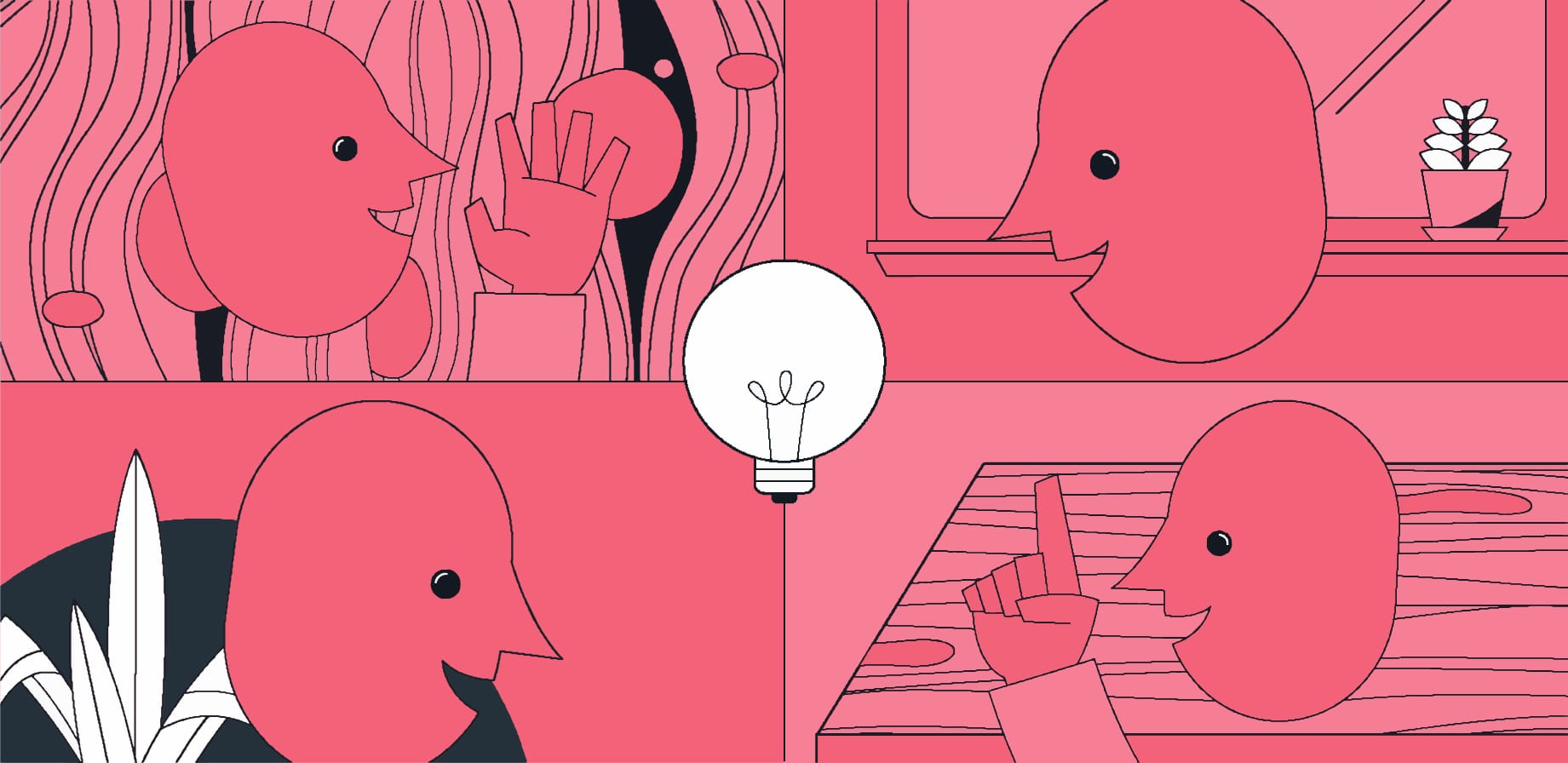
Unless you’re working with a production house who churns out work that conforms to specs, creative work isn’t a passive experience. The more effort you and your agency put toward your project, the better your campaign will be.
As a project goes on, you’ll gain an understanding from the right agency partner where your role fits. You’ll know when to get involved with brainstorming or clarifying how to improve ideas that gain approval. And, you’ll know when to step aside so your team can create what you need. You may need to track down approvals for assets, or you may have to plan how to convince a cautious stakeholder to take a chance on the idea you and your agency developed.
If you want the kind of campaign that will make a difference for your brand, you’re ultimately going to have to work for it. Fortunately, the results from allowing a great idea to flourish are always worth the effort.